HOME - CSR
Project Proposal
Project Proposal: Inclusive Development Program for Persons with Disabilities (PwDs)
Introduction
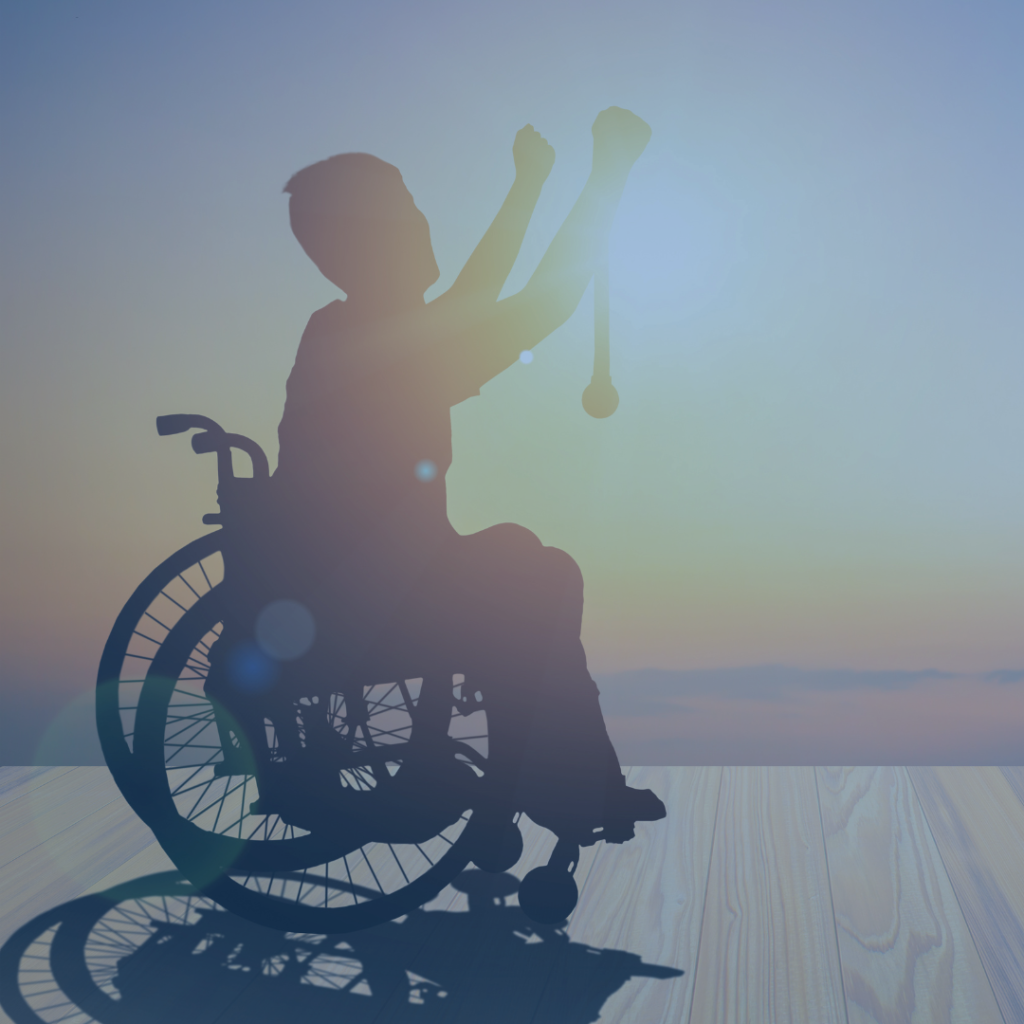
In India, Persons with Disabilities (PwDs) face significant challenges in accessing education, healthcare, employment, and social inclusion. PwDs require necessary resources, training, and support to integrate into the mainstream. This project aims to empower PwDs by enhancing their access to education, healthcare, skill development, and employment opportunities.
Background
According to the 2011 Census of India, over 26.8 million people (2.21% of the total population) live with some form of disability. However, actual numbers may be higher due to underreporting and limited access to diagnostic facilities. PwDs in India face multiple barriers, including social stigma, lack of accessible infrastructure, and limited employment opportunities. Despite national policies like the Rights of Persons with Disabilities Act (RPWD) 2016, which mandates inclusive education, employment, and accessibility, significant gaps remain in implementation.
In rural and urban areas alike, PwDs struggle to access quality education due to inadequate specialized schools, lack of trained teachers, and insufficient assistive technologies. Healthcare services for PwDs, including rehabilitation centers and assistive devices, are limited, especially in rural areas where medical facilities are already scarce. Furthermore, employment opportunities remain a major concern, with PwDs experiencing high levels of unemployment due to discrimination, lack of vocational training, and inaccessible workplaces.
This project seeks to bridge these gaps by providing PwDs with comprehensive support in education, healthcare, skill development, and employment. By fostering an inclusive society, the project will empower PwDs to achieve financial independence, social dignity, and improved quality of life.
Project Objectives
- Ensure inclusive education and skill development for PwDs
Establish accessible learning environments, specialized schools, digital literacy programs, and vocational training centers to equip PwDs with necessary knowledge and skills for independent living and employment.
- Improve accessibility to healthcare services and rehabilitation facilities
Provide regular health check-ups, physiotherapy, mental health support, and access to assistive devices such as hearing aids, wheelchairs, and prosthetic limbs to enhance the physical well-being of PwDs.
- Enhance employment opportunities and promote entrepreneurship for PwDs
Facilitate job placement programs, skill-based training, and financial assistance to PwDs for self-employment and small-scale business setups. Promote employer awareness programs to encourage inclusive hiring practices.
- Increase social awareness and sensitivity towards persons with disabilities
Conduct public awareness campaigns, advocacy programs, and capacity-building workshops to promote an inclusive society. Encourage community participation to remove social stigmas associated with disabilities.
- Provide financial and technical support to make PwDs self-reliant
Offer microfinance options, business development training, and mentorship programs to help PwDs establish independent livelihoods and improve their socio-economic status.
Target Group
This project will directly benefit 200 PwDs, including children, youth, women, and elderly individuals. The target group includes
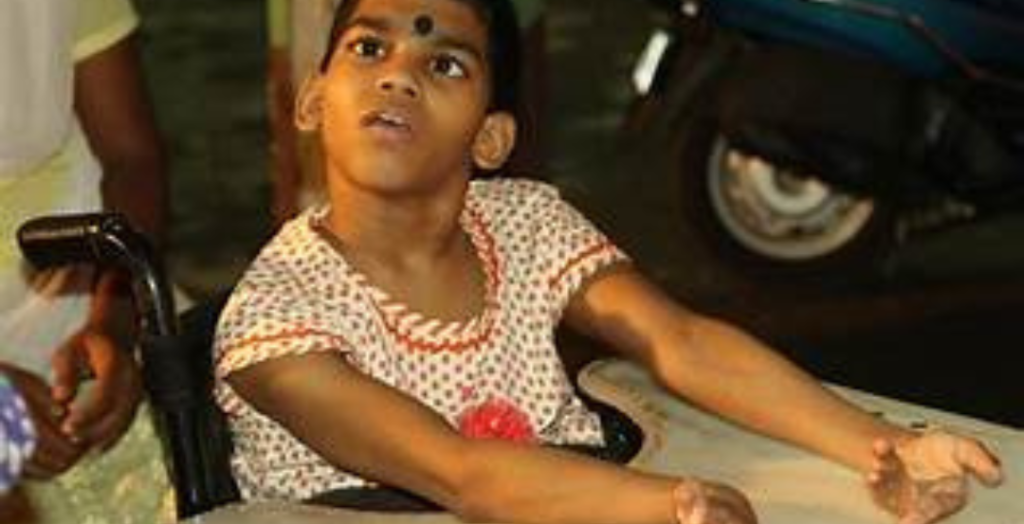
Children with Disabilities
Providing access to inclusive education, assistive devices, and special learning programs.
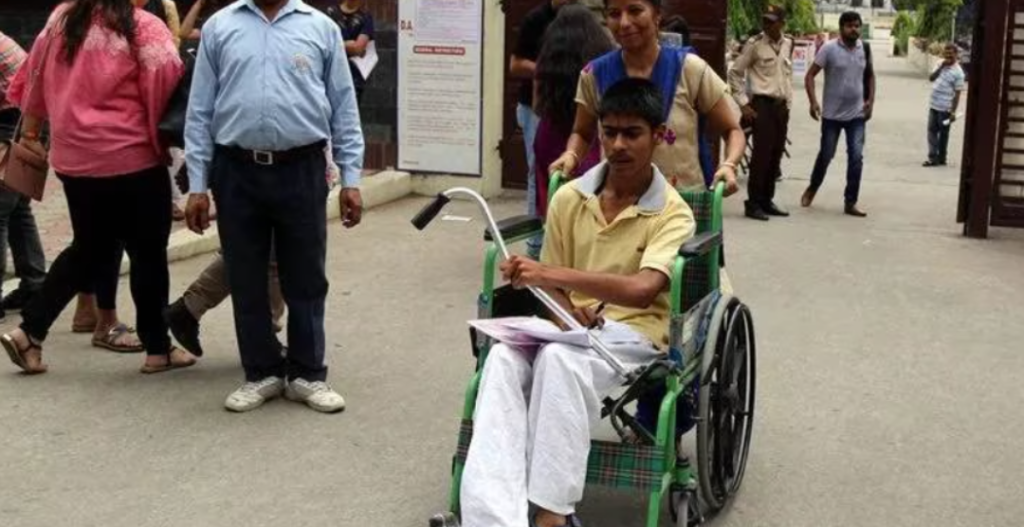
Youth with Disabilities
Offering vocational training, skill development, and employment opportunities.
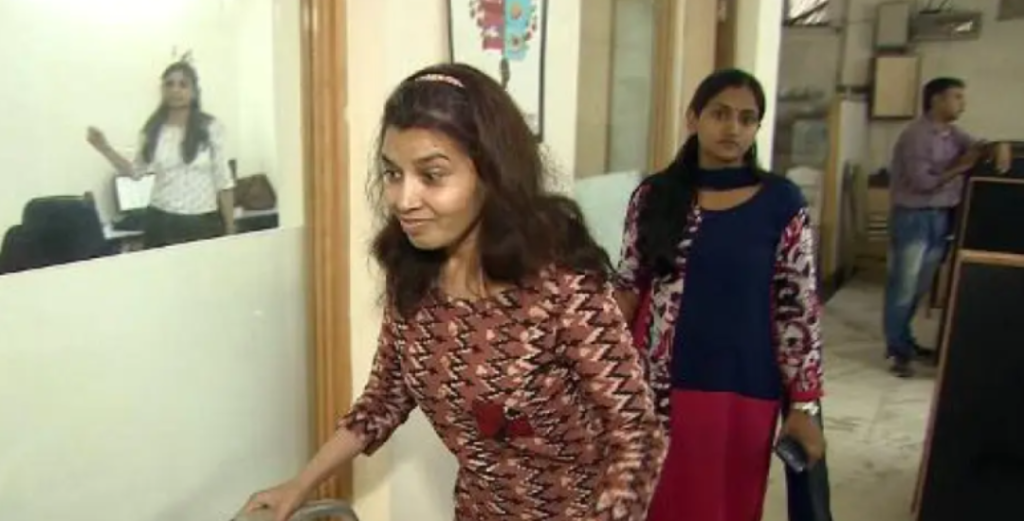
Women with Disabilities
Special support programs to empower disabled women with financial independence, self-employment training, and access to healthcare.
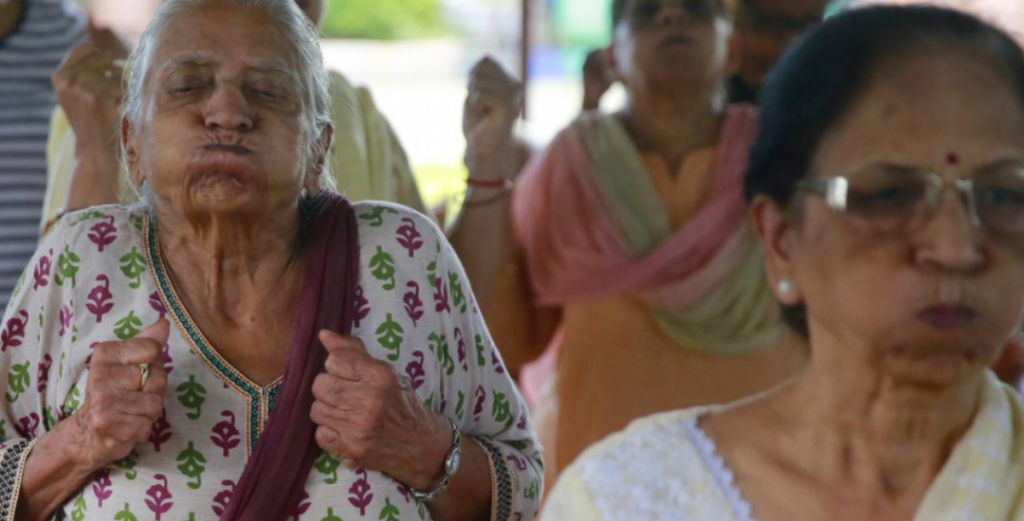
Elderly PwDs
Ensuring medical assistance, rehabilitation, and assistive technologies to improve their quality of life.
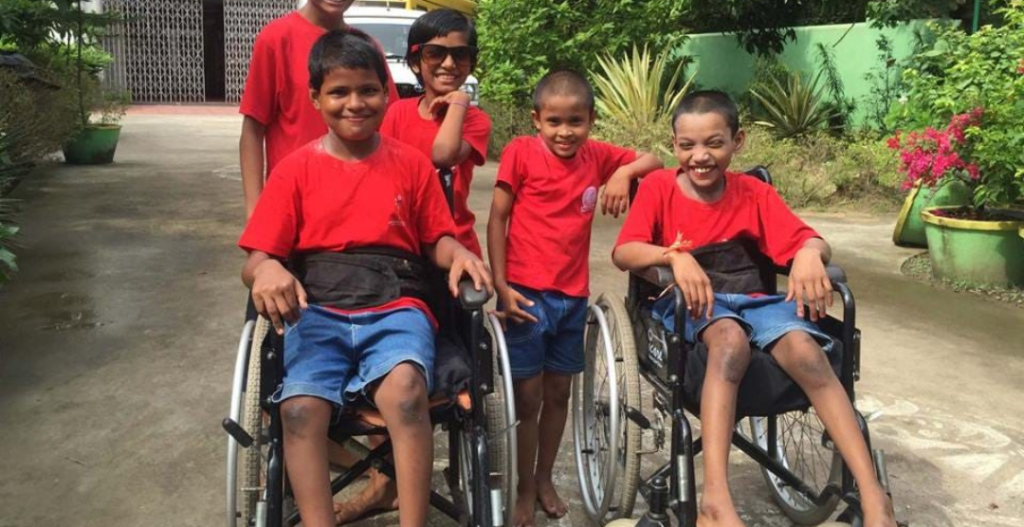
Persons with Severe Disabilities
Providing customized support, assistive technology, and community-based rehabilitation.
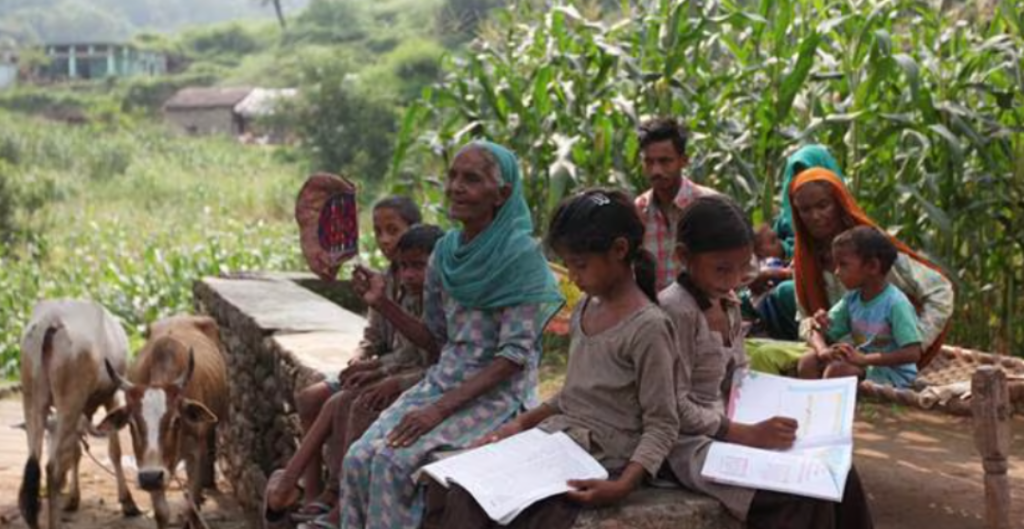
Underprivileged and Rural PwDs
Reaching out to PwDs in remote areas who lack access to essential services, ensuring they benefit from education, healthcare, and employment programs.
Project Scope
Education & Training
Establishing special schools, digital literacy programs, and vocational training sessions.
Healthcare & Rehabilitation
Regular health check-ups, physiotherapy, and distribution of assistive devices.
Employment & Entrepreneurship
Financial support for self-employment and setting up skill development centers.
Social Awareness
Community participation, empowerment camps, and legal assistance.
Assistive Device Distribution
Providing wheelchairs, hearing aids, crutches, etc.
Implementation Plan
- Baseline Survey and Identification of Beneficiaries
- Conduct a comprehensive survey to identify PwDs in the target areas.
- Assess the specific needs and challenges faced by the beneficiaries.
- Develop a database of selected individuals who will participate in the program.
- Infrastructure Development and Resource Allocation
- Set up accessible learning centers and vocational training institutes.
- Procure necessary assistive devices and educational materials.
- Collaborate with healthcare institutions to establish regular health camps and rehabilitation centers.
- Educational and Skill Development Activities
- Implement digital literacy and vocational training programs.
- Organize specialized education sessions for children with disabilities.
- Provide job-oriented skill training and certification programs for youth and adults.
- Healthcare and Rehabilitation Services
- Conduct routine medical check-ups and physiotherapy sessions.
- Distribute assistive devices like wheelchairs, hearing aids, and prosthetics.
- Offer mental health counseling and community-based rehabilitation programs.
- Employment and Entrepreneurship Support
- Organize job placement drives and networking opportunities.
- Provide financial assistance and microcredit loans for self-employment.
- Facilitate partnerships with industries and businesses to promote inclusive hiring.
- Awareness and Advocacy Campaigns
- Conduct sensitization programs for employers, educators, and the community.
- Host workshops and seminars to educate the public about disability rights and inclusion.
- Engage local authorities and policymakers in discussions for better implementation of disability welfare policies.
- Monitoring and Continuous Evaluation
- Implement a robust tracking system to assess the progress of beneficiaries.
- Conduct periodic evaluations through beneficiary feedback and impact assessments.
- Adjust strategies based on evaluation results to optimize program effectiveness.
Budget Estimate (in INR)
S. No | Item | Cost (INR) |
|---|---|---|
01 | Education & Skill Development Program | Rs. 15,00,000.00 |
02 | Healthcare & Rehabilitation Services | Rs. 10,00,000.00 |
03 | Employment & Entrepreneurship Support | Rs. 12,00,000.00 |
04 | Provision of Assistive Devices & Aids | Rs. 5,00,000.00 |
05 | Awareness & Social Inclusion Campaign | Rs. 5,00,000.00 |
Expected Outcomes

Educational and Skill Development Impact
- 200 PwDs will have access to inclusive education and specialized training.
- Establishment of accessible learning environments with digital and vocational training.
- Increased literacy and employability skills among PwDs.

Employment and Economic Empowerment
- 100 PwDs will be placed in suitable jobs or start their own businesses.
- Increased financial independence and self-sustainability for PwDs.
- Enhanced collaboration with industries for inclusive hiring practices.

Healthcare and Rehabilitation Benefits
- 150 PwDs will receive healthcare services, including regular medical check-ups and rehabilitation support.
- Improved mobility and daily functioning through the distribution of assistive devices.
- Better mental health support through counseling and therapy sessions.

Social Inclusion and Awareness
- Reduction in social stigma through awareness campaigns and community engagement.
- Increased participation of PwDs in social and cultural activities.
- Strengthened legal awareness and advocacy for disability rights.

Policy and Systemic Improvements
- Greater engagement with government agencies for policy implementation.
- Improved infrastructure and accessibility standards in the targeted areas.
- Strengthened partnerships with NGOs and businesses to support PwDs in the long term.
Monitoring & Evaluation
Data Collection & Reporting
Establish a monitoring framework with regular monthly and quarterly reporting mechanisms.
Beneficiary Tracking
Maintain a digital database to track PwD progress and impact.
Key Performance Indicators (KPIs)
Use specific KPIs such as employment rate, skill enhancement, and healthcare accessibility.
Periodic Evaluations
Conduct biannual surveys and independent audits to assess program efficiency.
Stakeholder Engagement
Regular meetings with beneficiaries, employers, and government bodies to ensure continued improvement.
Methodology
- Regional studies and stakeholder coordination.
- Evaluation of program impact and strategic modifications.
- Engagement of local communities and organizations.
Project Team
- Project Coordinator
- Field Workers
- Medical & Rehabilitation Experts
- Training Specialists
- Community Engagement Experts
Financial Implication
- Regular fund management to ensure project effectiveness.
- Transparent financial reporting and expenditure management as per CSR standards.